

A comprehensive guide to the design and production of industrial elements Celsius industrial group
Types of industrial elements and their specialized applications
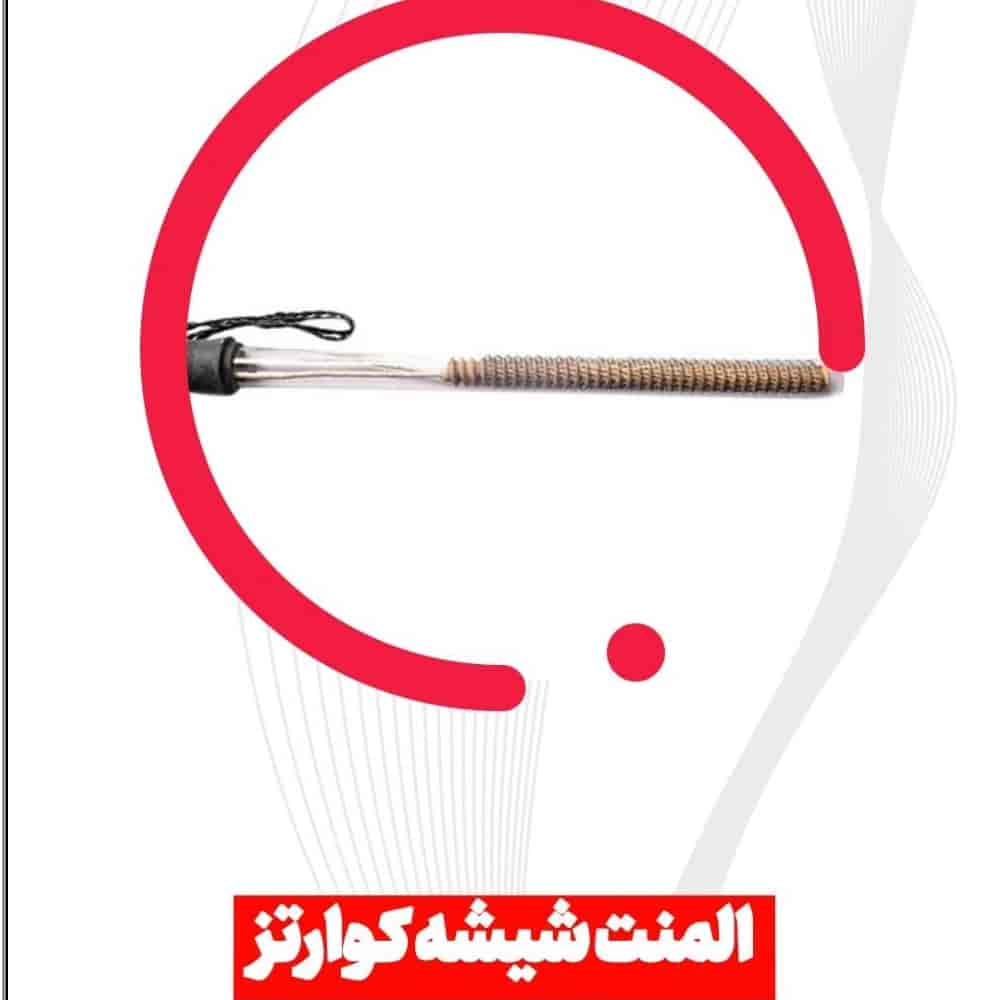
Cartridge Heaters: Power in small dimensions
- Usage in mold making: To heat metal and precise molds.
- Plastic injection industries: These elements are vital components of injection machines that are responsible for the uniform melting of plastic materials.
- C advantage: Our cartridge elements with precise insulation and resistant winding, are very stable against industrial vibrations and thermal shocks. are.
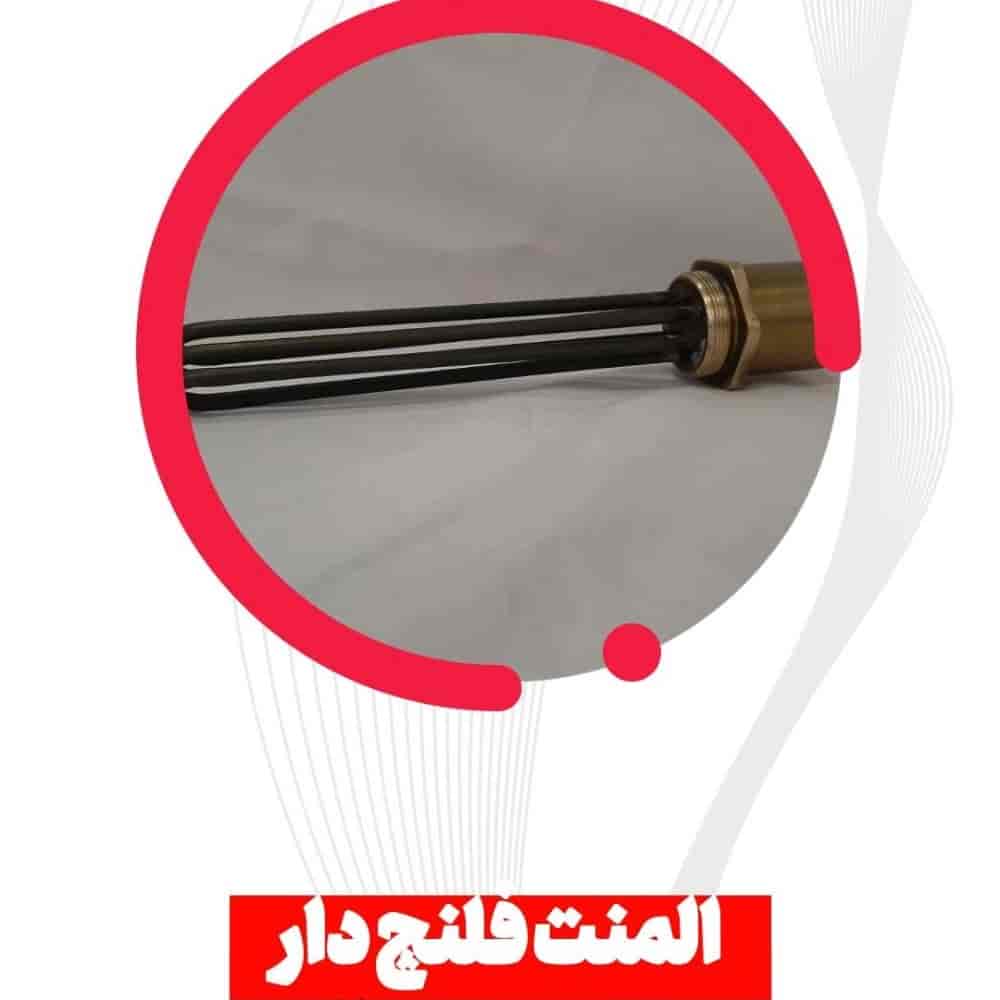
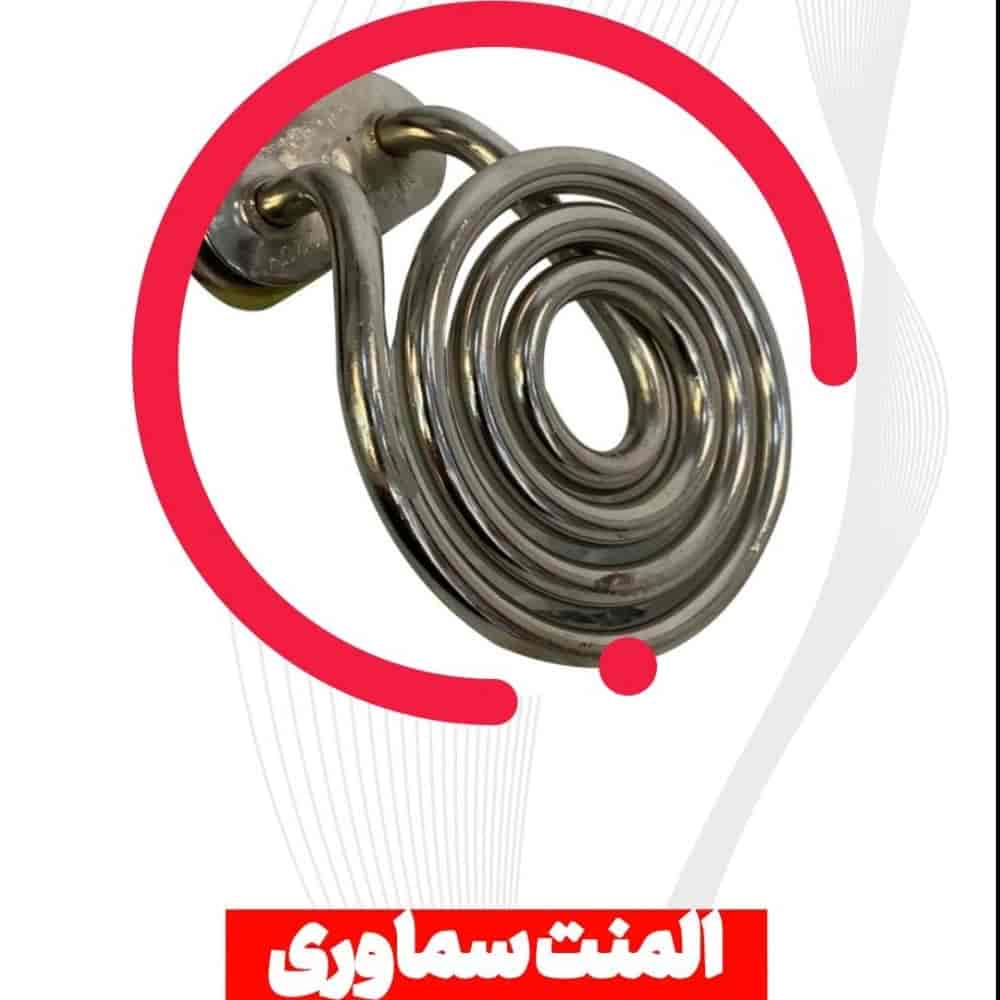
Rod elements (Tubular Heaters): flexibility and durability
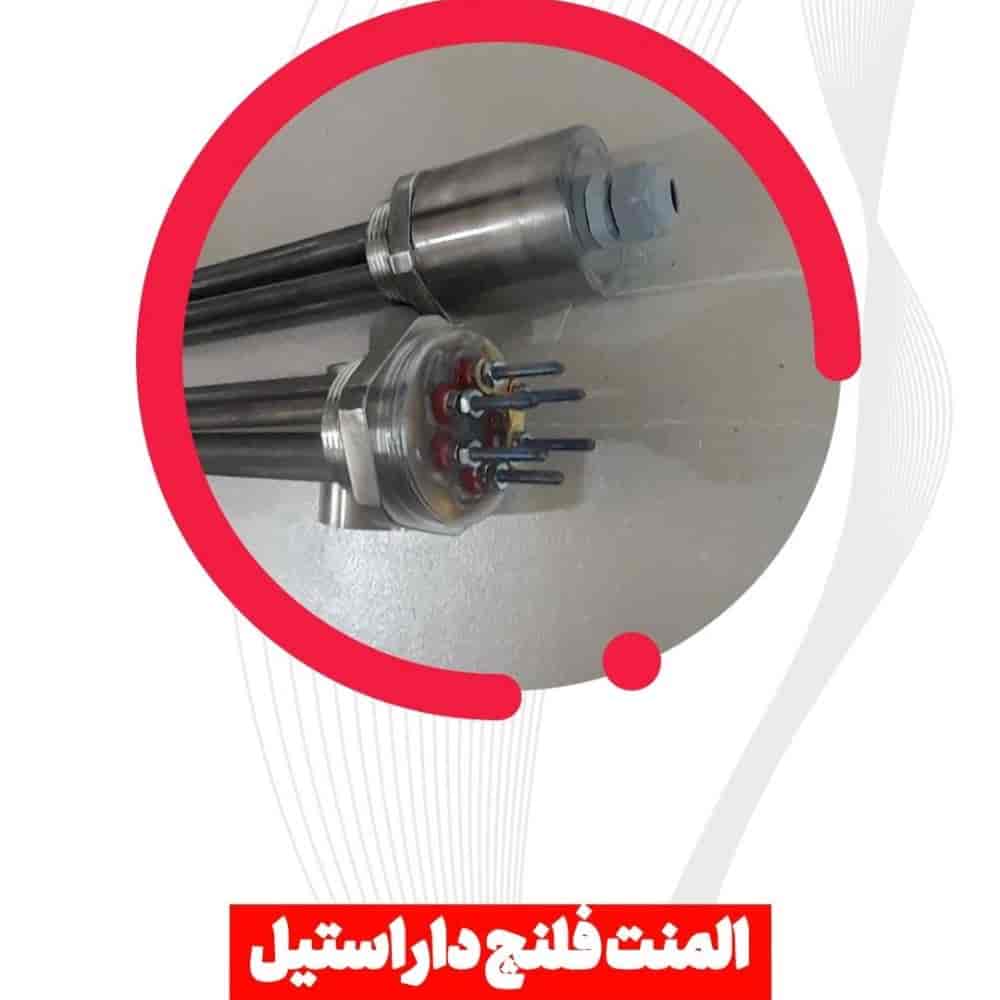
- Liquid heating: Use in water tanks, oil and industrial tanks to reach the desired temperature.
- Air heating: Very widely used in hot air furnaces, dryers and ventilation systems.
- C advantage: The use of anti-corrosion alloys in the sheath of these elements has made them perform long-term in chemical and corrosive environments. be.
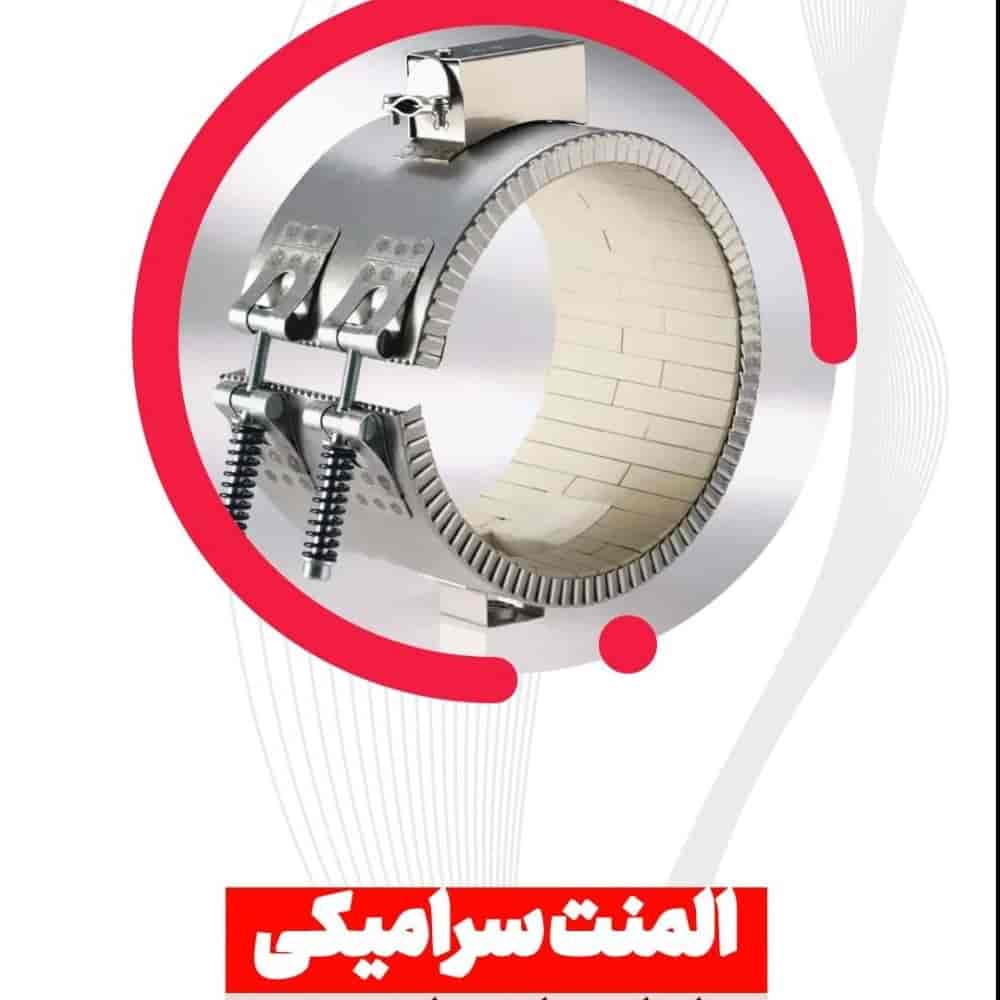
Ceramic and belt elements: performance in industrial cylinders
- Extruder cylinders: In the extrusion industry, precise control of the cylinder temperature is critical for the final product quality; Celsius belt elements guarantee this accuracy.
- Packaging devices: To heat sewing jaws and packaging nozzles that require continuous and stable heat.
- Celsius advantage: We use high-efficiency ceramic insulators in the design of these elements, which reduce energy loss and prevent heat loss to the outside environment.
Why do industrial elements burn? 5 main causes of failure and prevention solutions
1. Excessive wattage (Overheating)
- Solution: Always perform power calculations based on the dimensions of the mold or tank. To ensure accurate calculations, you can refer to the [Comprehensive Guide to the Design and Production of Industrial Elements] on the Celsius website.
2. Pollution and penetration of external factors
- Solution: Using high-quality sheaths and making sure connections are isolated. If the element works in polluted environments, be sure to use models with fireproof cables and special insulation.
3. Vibration and mechanical stresses
4. Poor and loose electrical connections
- Solution: Always use high-quality terminals and make sure that the power cables can withstand the passing current (amps) of the device.
5. Using low-quality alloys and materials
- Solution: The quality of the used material guarantees the longevity of the element. In the Celsius industrial group, we work with high sensitivity on nickel-chromium alloys and resistant steels to minimize the possibility of failure.
Conclusion: How to reduce repair costs?
تماس فوری
The effect of alloy quality on the lifespan of industrial elements
Why is alloy so important in making elements?
Thermal resistance and high temperature stability
Prevent oxidation and corrosion
Uniform heat transfer
The most important alloys used in industrial elements
Nickel-chrome alloy (Nichrome)
- Suitable for high temperature applications
- Having good working life in continuous thermal cycles
- Stable against temperature shocks
304 steel
- Suitable for semi-corrosive environments
- Economical and widely used option
- Suitable for many general industrial uses
316 steel
- Suitable for more corrosive environments
- Suitable option for food, chemical and marine industries
- Increasing the durability of the sheath in harsher conditions
Incoloy
- Suitable for heavy working conditions
- High resistance to oxidation and heat
- Professional choice for sensitive industrial projects