
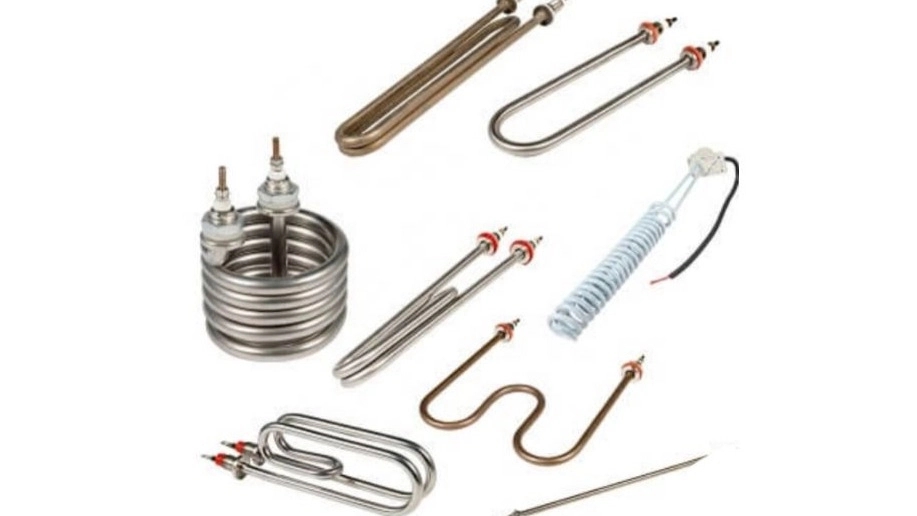
Complete familiarization with the element manufacturing process in the thermal industry Celsius industrial group
Thermal elements are one of the most important heat production equipment in various industries. From the food and plastic industries to home appliances and industrial machinery, everyone uses heating elements in some way to create the required temperature. In the meantime, the production of high-quality elements requires technical knowledge, suitable raw materials and a precise manufacturing process. Using the experience and technology of the day, Celsius Industrial Group is active in the field of designing and producing all kinds of thermal elements.
The element making process usually starts with choosing a suitable resistance wire. Wires such as Nichrome (Nickel-Chromium) are one of the most widely used materials in the construction of elements due to their high electrical resistance and high temperature tolerance. These wires are heated and generate heat when the electric current passes.
In the next step, the resistance wire is shaped like a spiral or a spring. This makes the length of the wire increase and heat distribution is done better. Then this wire is placed inside a metal or ceramic sheath. In many industrial elements, the space between the wire and the sheath is filled with magnesium oxide powder to improve heat transfer and prevent electrical connection.
After the initial assembly, the element enters the compression and shaping stage. In this step, special devices compact the element to increase its mechanical strength. Then, the element is bent into different shapes, such as rods, rings, cartridges or belts, based on the desired application.
One of the most important steps in element production is quality control and performance testing. In this step, electrical resistance, thermal power, uniformity of heating and safety of the element are checked. These tests guarantee that the final product has a good performance and a long life in industrial conditions.
Nowadays, with the advancement of technology, element manufacturers are trying to produce products with high thermal efficiency, lower energy consumption and more durability. The use of advanced alloys, high-quality thermal insulation and engineered design are factors that increase the quality of the element.
Relying on technical knowledge and experience in the field of thermal systems, Celsius Industrial Group designs and produces all kinds of industrial and customized elements according to the needs of different industries. The aim of this collection is to provide products with high quality, stable performance and long life for industrial customers. Production stages of thermal element from design to manufacturing | A complete guide to making industrial elements
Thermal elements are one of the most important components of heating systems in various industries. By converting electrical energy into thermal energy, these parts are used in various devices and equipment such as industrial furnaces, packaging machines, plastic machinery, laboratory equipment and household appliances. Producing a high-quality element requires careful design, selection of suitable materials, and implementation of standard manufacturing procedures. In this article, we will learn about the stages of thermal element production from design to manufacturing.
Basic design of the heating element
The first step in element production is its engineering design. In this step, parameters such as thermal power, working voltage, required temperature, dimensions of the element and environmental conditions of the device are checked. Engineers choose the right type of element according to the type of application. The elements are designed in different types such as rod, cartridge, belt, ceramic and coil heater elements. Correct design will increase the thermal efficiency and longevity of the element.
Choosing the right raw materials
One of the most important factors in element quality is its raw materials. Usually, alloys such as Nichrome (Nickel-Chromium) or Kantal are used for thermal wire. These alloys have high electrical resistance and high temperature tolerance. Magnesium oxide powder is also used for internal insulation, which, in addition to being an electrical insulator, also has a very good heat transfer. The outer sheath of the element is usually made of stainless steel or heat-resistant alloys.
Making resistance wire and shaping it
At this stage, the resistance wire is wound in a spiral or spring form. This increases the length of the wire and better heat distribution along the length of the element. The shaping of the wire must be done with high precision so that the distance between the screws is uniform and the element does not get local heat during work.
Putting the wire inside the sheath
After the resistance wire is prepared, it is placed inside the tube or metal sheath. Then the space between the wire and the sheath is filled with magnesium oxide powder. This powder has the role of electrical insulation and heat transfer and prevents direct contact of the wire with the metal body.
Compression and compression of the element
At this stage, the element enters special compression devices. This process causes the magnesium oxide powder to become condensed and create a better thermal contact between the wire and the sheath. Proper compression increases heat transfer efficiency and mechanical strength of the element.
Kneading and final shaping
After compression, the element is bent into different shapes based on the desired application. For example, it may be designed in U-shape, ring, spiral or special forms. This step must be done carefully so as not to damage the internal structure of the element.
Installation of terminals and connecting parts
At the end of the elements, electrical terminals are usually installed to connect to the electricity. This part must have proper insulation and high strength to withstand heat and electric current.
testing and quality control
The last stage in element production is testing and quality control. In this step, electrical resistance, thermal power, uniformity of heating and safety of the element are checked. Some tests include electrical insulation test, performance test at high temperature, and checking element durability in different working conditions.
Summary
Production of thermal element is a specialized process that starts from engineering design and ends with the selection of suitable raw materials, accurate assembly and quality tests. Compliance with production standards and the use of high-quality materials play an important role in the performance and longevity of the element. For this reason, various industries use standard and engineered elements to achieve stable and reliable heating.